Our team held a Bioinformatics Intensive for schoolchildren at Skoltech
Lectures
From June 15 to 17, 2022, Skoltech hosted a Bioinformatics Intensive. The first day was devoted to the lecture part. Konstantin Viktorovich Severinov in his lecture on the history of development of genetic engineering methods told how different prokaryotic systems of defense against viruses — restriction-modification systems and CRISPR-Cas — were discovered, as well as about the use of components of these systems in genetic engineering.
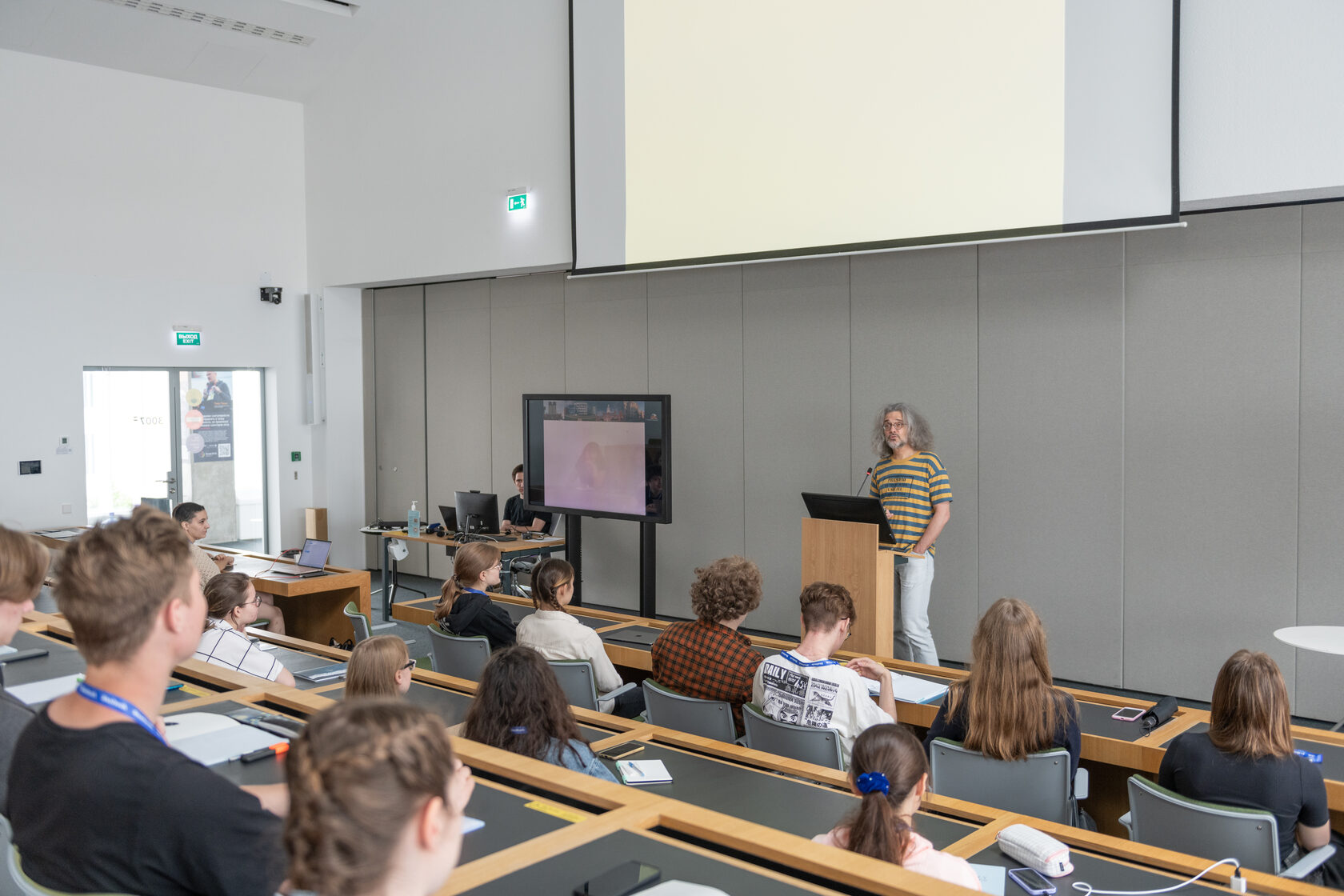
Matvey Kolesnik gave a lecture on high-throughput sequencing methods: participants learned how these methods are designed, what advantages and disadvantages they have, and how to analyze the data obtained as a result of sequencing.
Recording of the lecture
Hands-on activities
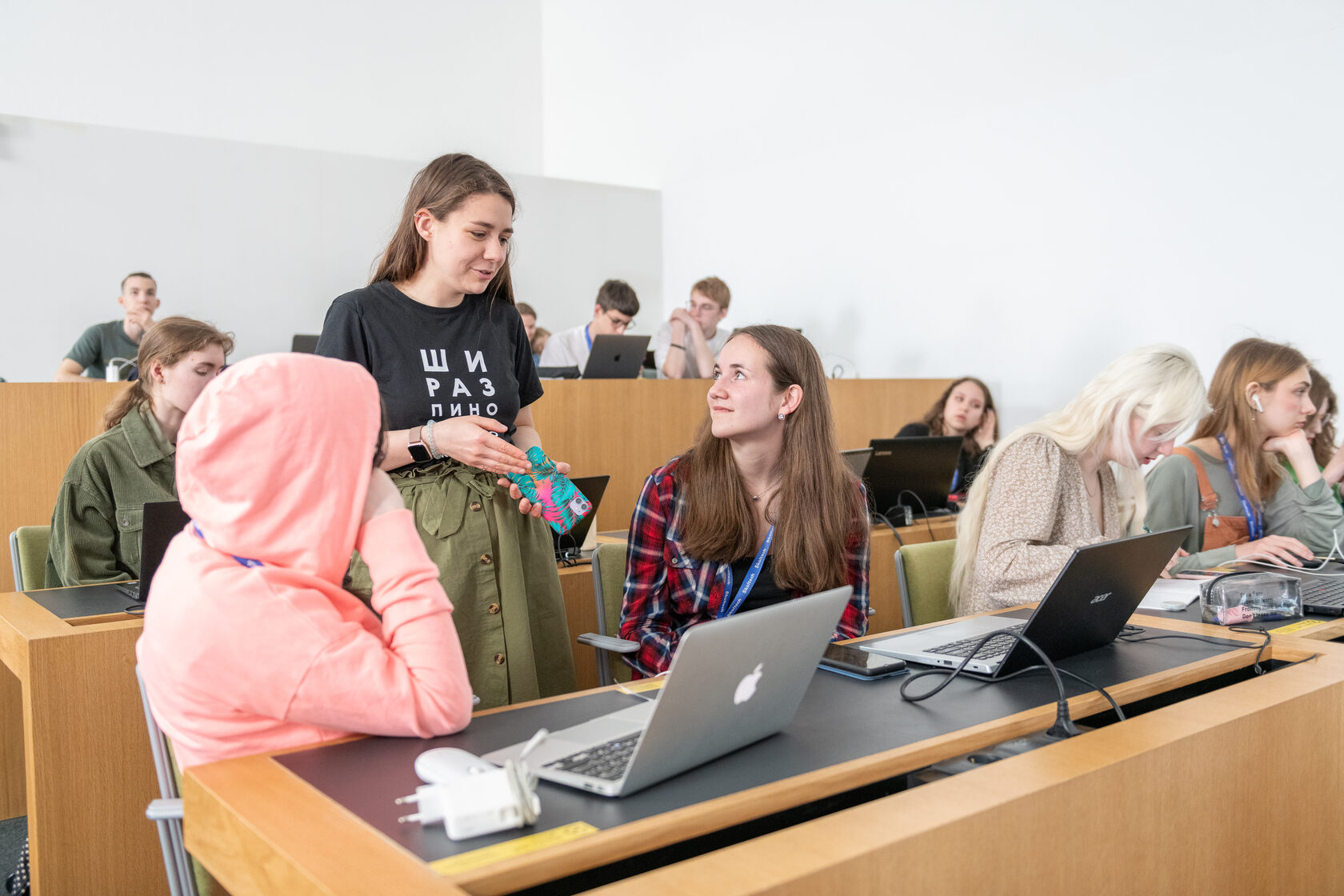
On the second and third day, there was a practical part. People dealt with the command line, mastered Bioinformatics software and worked with genomic data of bacteriophages. As a result, in two days the participants made a full-fledged project, combining with training the solution of a real scientific problem.
But what was the problem?
Recently, a team of scientists led by David Bicard discovered a new PARIS defense system that allows bacteria to overcome infection by phages. This system is known to be activated by special phage proteins that mimic DNA molecules and inhibit restriction-modification systems.
There is a specific phage called T5, which is normally unable to infect E. coli carrying PARIS. Our lab has obtained mutant T5 phages that have learned to bypass the PARIS system and infect cells. The main scientific goal of this workshop was to understand what made this happen: what changed in the genome of these phages? In which genes did the mutations occur?
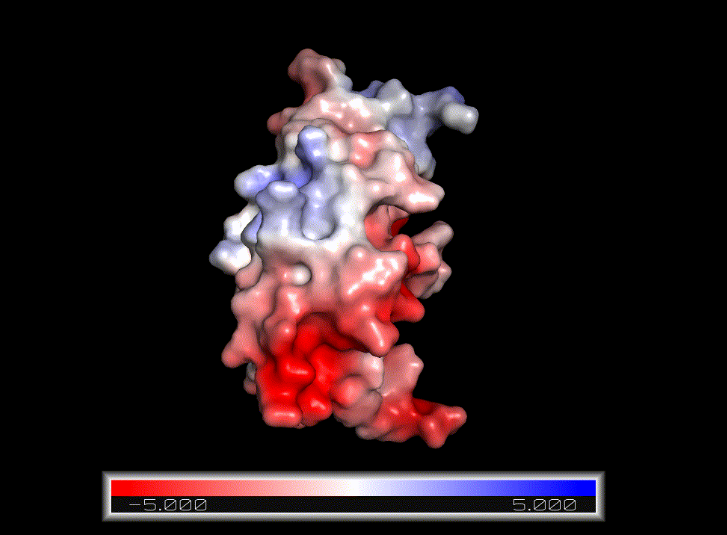
We found several mutations that cause a reading frame failure in one of the bacteriophage genes. We looked at what kind of protein this gene encodes and tried to predict its structure with the AlphaFold2 program. It turned out that it is a small protein with a large number of negatively charged amino acids, and in the predicted 3D structure we can even see grooves that mimic the DNA double helix!
This is how we found a new phage protein that mimics a DNA molecule. The properties of this protein will be further investigated in our laboratory.
There is a specific phage called T5, which is normally unable to infect E. coli carrying PARIS. Our lab has obtained mutant T5 phages that have learned to bypass the PARIS system and infect cells. The main scientific goal of this workshop was to understand what made this happen: what changed in the genome of these phages? In which genes did the mutations occur?
We found several mutations that cause a reading frame failure in one of the bacteriophage genes. We looked at what kind of protein this gene encodes and tried to predict its structure with the AlphaFold2 program. It turned out that it is a small protein with a large number of negatively charged amino acids, and in the predicted 3D structure we can even see grooves that mimic the DNA double helix!
This is how we found a new phage protein that mimics a DNA molecule. The properties of this protein will be further investigated in our laboratory.
Feedback from attendees
Here is what the participants themselves say about the Intensive.
Nastya, 10th grade student of the lyceum of the National Research University Higher School of Economics:
We had an opportunity to try ourselves in the field of bioinformatics, to talk to scientific staff, to learn how science is done in Skoltech laboratories in general. We were shown the programs that scientists use every day in their work and explained how to work with them. There aren't many places other than Skoltech where you can try your hand at science and know before you get there whether you want to dive into it.
Anastasia, a 10th grade student at Temkinskaya High School:
I come from an ordinary secondary school in the Smolensk Region, and we don't have much development in teaching computer science. But I like the subject very much, I took two courses on genetics from Sirius and now I saw that Skoltech is holding an intensive. It's great that this intensive is designed for high school students, not undergraduates like most of these courses - you can immerse yourself in the topic, understand whether you like scientific routine work, whether you need it, and thus decide whether you want to study Bioinformatics and then connect your life with it. I enjoyed this intensive immensely, I hope I will succeed in Bioinformatics.
Rustam from school #1354 “Vector”:
I'm into biology, but I was never particularly interested in computer science. I knew that there is a whole area at the intersection of these sciences, and this intensive opened to me all the charm of bioinformatics. I would like to thank the organizers for a very interesting course.